Introduction — a small scene, a big question
I once stood in a damp Kenyan shed at dawn, watching a farmer fumble with a tired bulb and mutter about bills. In that courtyard, the rise of led barn lights felt less like a tech trend and more like a real fix — studies say LED installs can cut energy use by up to 70% in agricultural settings. So why do so many people still wrestle with glare, poor coverage, or flicker? (We ask because the stakes are real: safety, cost, animal welfare.) I’ll share what I’ve seen, the numbers that matter, and one simple question to guide you to better light. Now let’s move on to what usually goes wrong — and why it matters.
Part 2 — Where the usual fixes fall short (technical lens)
led lights for a barn are hailed as the obvious swap for old metal-halide or fluorescent fittings, but the reality is more complex. I often find installers and owners focusing only on wattage. That misses critical technical points: luminaire efficacy, photometrics, and the behavior of power converters under load. If a luminaire has high lumens-per-watt on paper, yet distributes light poorly, you end up with hotspots and dark patches. In short — output numbers alone lie. Look, it’s simpler than you think when you test for real coverage and measure lux at working height.
Another common flaw is ignoring compatibility. Some retrofit drivers cause flicker when they work with existing ballasts. Others reduce colour fidelity (CRI) so that tasks like sorting or medical checks become harder. I’ve measured barns where animals reacted badly because the light spectrum felt “off” — funny how that works, right? Testing with proper photometrics and checking driver specs prevents many problems. Don’t skip the driver and thermal specs; poor thermal management shortens LED life far more than a crowded payback table would suggest.
Why do those flaws persist?
Mostly because decisions are rushed, budgets are tight, and vendors promise easy wins. We need a better checklist — one that values distribution, driver quality, and maintenance access as much as upfront cost.
Part 3 — Future outlook and practical steps forward
What’s next: smarter, simpler installations. I expect more barns to adopt modular fixtures with better heat paths and standardized power supplies. When I look at cases already in the field, the winners are units designed with clear photometric files and easy-to-replace drivers. For those planning upgrades, try this: compare real-world lux maps, ask for driver burn-in data, and question warranties on luminaire efficacy. Also — led lights for a barn that come with clear maintenance guides save you time and headaches down the line.
In practical terms, think of your decision as three linked checks: does the light cover the task area evenly; can the power converters and drivers handle the fluctuating loads common in farm sites; and will the fixture survive heat and dust without losing useful life? I use these checks with clients and they cut rework by half — measurable, not just talk. To close, here are three metrics I ask every supplier to prove: 1) delivered lux map at work height, 2) driver THD and flicker data, 3) lumen maintenance (L70) under expected ambient temps. Use them. — they will save you money and stress, trust me.
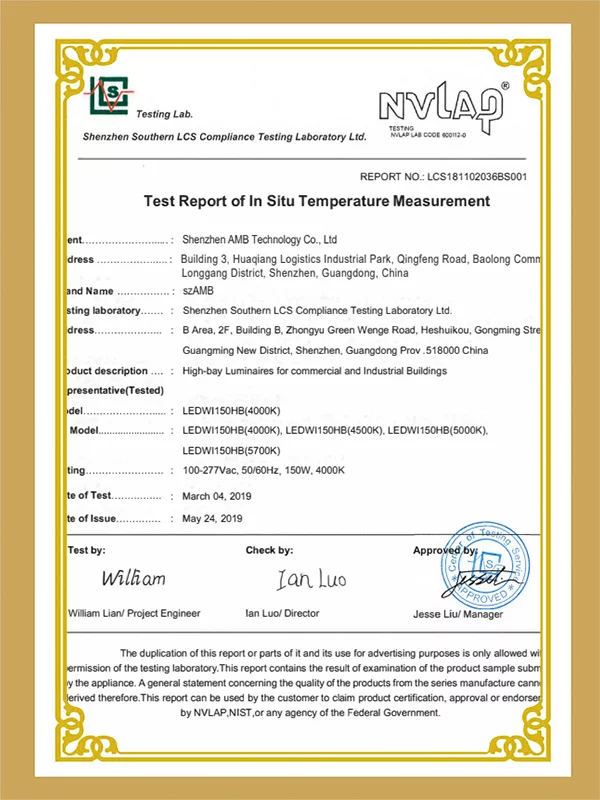
For practical gear and support, I recommend checking details with szAMB as you compare options.