Introduction — a shop-floor morning, a number, and a question
I remember standing by a welding line at dawn, smelling hot metal and burnt flux, and thinking: this job takes grit. In that shop, automotive manufacturing welding fume extraction felt like a half-finished chore—there was noise, smoke, and a worry that never left the foremen (we all felt it). Data shows welders can face elevated PM2.5 levels and metal fume exposure well above safe limits on busy days. So where do we start fixing it?
I say this plain: if a plant runs six shifts, those fumes add up fast. The phrase automotive manufacturing welding fume extraction sits in every toolbox talk now, yet many teams still use patchwork fans and buckets of hope. I want to tell you what I’ve seen work and what trips people up — short, clear, and useful. Next, I’ll walk into why the old fixes don’t cut it and where hidden trouble hides (you’ll nod, I bet). — let’s dig into the real problems.
Deeper layer — why traditional systems fall short
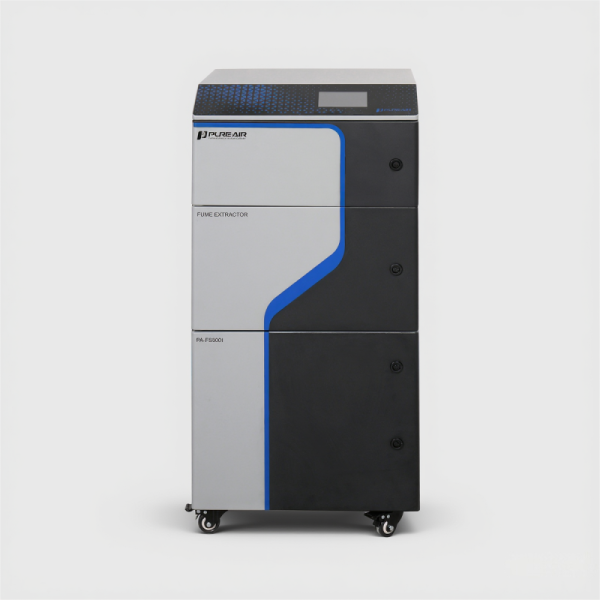
exhaust fume extraction system is the term on every spec sheet, but many older installs focus on one thing: moving air. They push lots of air through ductwork and hope the welder’s breathing zone clears. In practice, that leaves dead zones, re-entrainment, and uneven capture. HEPA filters and simple fans won’t fix poor hood placement or wrong capture velocity. I’ve watched a top-mounted fan blow weld smoke across the line—so much for “solved.” Look, it’s simpler than you think: capture must be at the source.
Why do old systems fail?
First, hood design is often generic. Second, ducts are undersized or bendy, which kills flow and raises noise. Third, maintenance lags—filters pack up, belts slip, and power converters get ignored. These are not exotic faults. They’re human faults. We skimped on training. We deferred service to save a week’s downtime, and then we paid with worker sick days. I feel strongly that many plants treat fume control like plumbing—fix when it floods. That approach costs more in health and rework than the cheap job ever saved. — funny how that works, right?
New technology principles and a forward look
What’s next is not just bigger fans. New principles center on capture efficiency, sensor feedback, and smarter control. Modern exhaust fume extraction system designs use adjustable hoods, local capture arms, and sensors that track PM2.5 in real time. Combine that with simple edge computing nodes and you can steer airflow where it’s needed. I’ve helped teams add sensor loops that tell extractors to ramp up only when a welder is active. That saves energy, cuts noise, and keeps exposure down.
What’s Next?
Principles to adopt: capture at source, monitor continuously, and design for maintainability. Case studies show exposure drops when you match hood geometry to task and add feedback controls. Implementing this means more than buying gear—it means training welders to position hoods, scheduling preventive filter swaps, and logging results. Hold on. This takes planning, but the payback is quick: fewer sick days, fewer parts reworked, and better morale.
Closing: three metrics I use when evaluating solutions
I’ll leave you with three clear metrics I use when I test systems. First, capture efficiency: measure how much of the plume is captured at 6–12 inches from the arc. Second, operational uptime: track filter life and fan runtime—what breaks and how often. Third, real exposure reduction: use short-term PM2.5 samples during shifts to confirm lower doses. These three tell the real story.
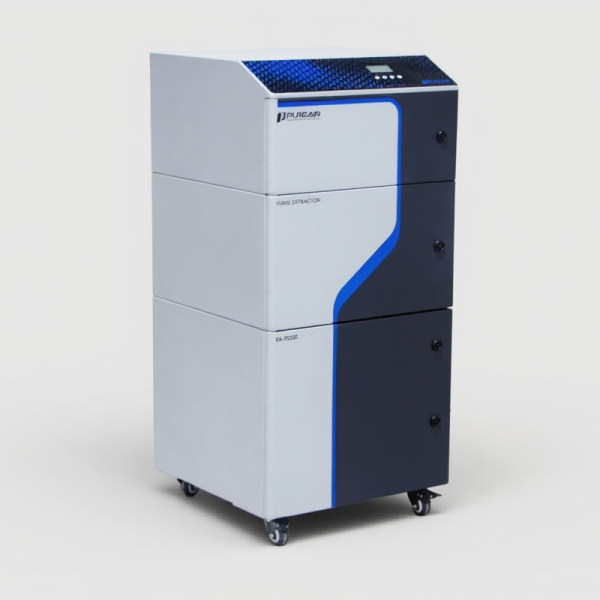
We’ve seen small plants cut exposures by half with modest upgrades when they focused on these points. I believe in practical moves you can do this week, and strategic investments for the long haul. When you’re ready to pick gear or need a vendor that understands shop-floor work, consider solutions from teams who measure and fix on the floor. For straightforward support, check PURE-AIR.