Introduction — a small scene, a larger question
One evening I watched a patient — tired, hopeful — settle beneath a quiet panel of LEDs and sigh as the room dimmed into a slow warmth. In that simple scene I remembered the numbers: clinics report up to 68% higher perceived comfort when sessions are tuned to individual needs (a modest study, but telling). As someone who advises a red light therapy company, I often wonder: can device design honor both science and the human moment, or must manufacturers force-fit every body into a single template? (ami mone kori—I think deeply about this.)
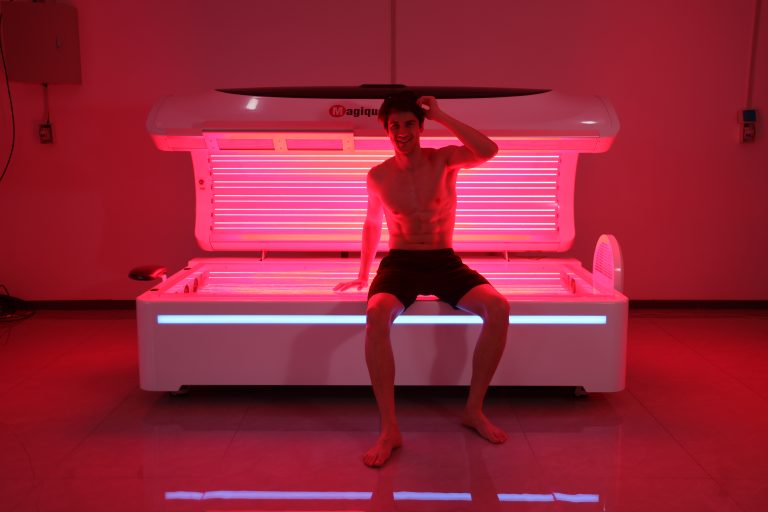
I write with a blend of academic curiosity and a poet’s ear — because technology meets skin, and skin remembers nuance. The scene above is not merely anecdote; it frames a data point and a question that will guide the next sections. Let us turn now to the core technical faults that quietly undermine many promising devices.
Part II — The Hidden Flaws of the Infrared Light Bed
infrared light bed is often presented as the cure-all: full-body exposure, uniform panels, quick sessions. I’ll be blunt — that promise glosses over three stubborn problems. First, many beds assume uniform irradiance across the platform, but in practice LED arrays yield hot and cool spots. Second, wavelengths are treated as interchangeable; they are not. Third, power delivery systems — especially cheaply designed power converters and weak thermal management — cause drift in output over time. Look, it’s simpler than you think: inconsistent irradiance and poor wavelength control reduce clinical effect, and patients notice.
What exactly fails in real use?
From my visits to clinics, I’ve observed that designers focus on peak output numbers and neglect real-world factors: body contours, mattress insulation, and even room temperature change how photons reach tissue. Photobiomodulation depends on precise wavelengths and sufficient irradiance at the target depth; miscalibration means energy is wasted as heat instead of signaling cells. Edge computing nodes or simple sensors could correct some of this — but many products skip the sensors to cut cost. I feel frustrated when I see potential lost because of shortcuts — funny how that works, right? This is not merely academic: it translates to disappointed patients and wasted clinic time.
Part III — Principles for Next-Generation Infrared Systems
Building better systems requires new technology principles, not just bigger panels. I advocate for three practical shifts. First, active feedback: integrate sensors that monitor irradiance and temperature in real time so the device can adjust LED drive and avoid thermal drift. Second, modular wavelength control: allow clinicians to tune between, say, 630–670 nm and 810–850 nm bands to match therapeutic goals. Third, robust power design: use quality power converters and thermal management to keep output stable across sessions. These ideas reduce variability and elevate outcomes — and I’ve seen clinics adopt them with measurable gains.
What’s next for clinics and designers?
In the coming months, expect more hybrid approaches — smart beds with zoned LED arrays, simple user interfaces that clinicians actually want to use, and better documentation of dose-response. If manufacturers embrace modular designs, they’ll unlock tailored protocols while preserving cost efficiency. I imagine a clinic where the system suggests parameters, clinicians tweak, and the bed learns slowly over time — like an apprentice that remembers patients. — and yes, that requires a mindset change as much as an engineering one.
Before we close, let me give you three evaluation metrics I use when assessing solutions: 1) Consistency — measure irradiance uniformity across the surface; 2) Tunability — ability to select and maintain specific wavelengths and doses; 3) Reliability — long-term stability of power converters and thermal controls. Use these as your checklist when you compare options in the market. I’ve been in the room, I’ve seen what works, and I want manufacturers to build tools that respect both the data and the patient’s quiet hopes.
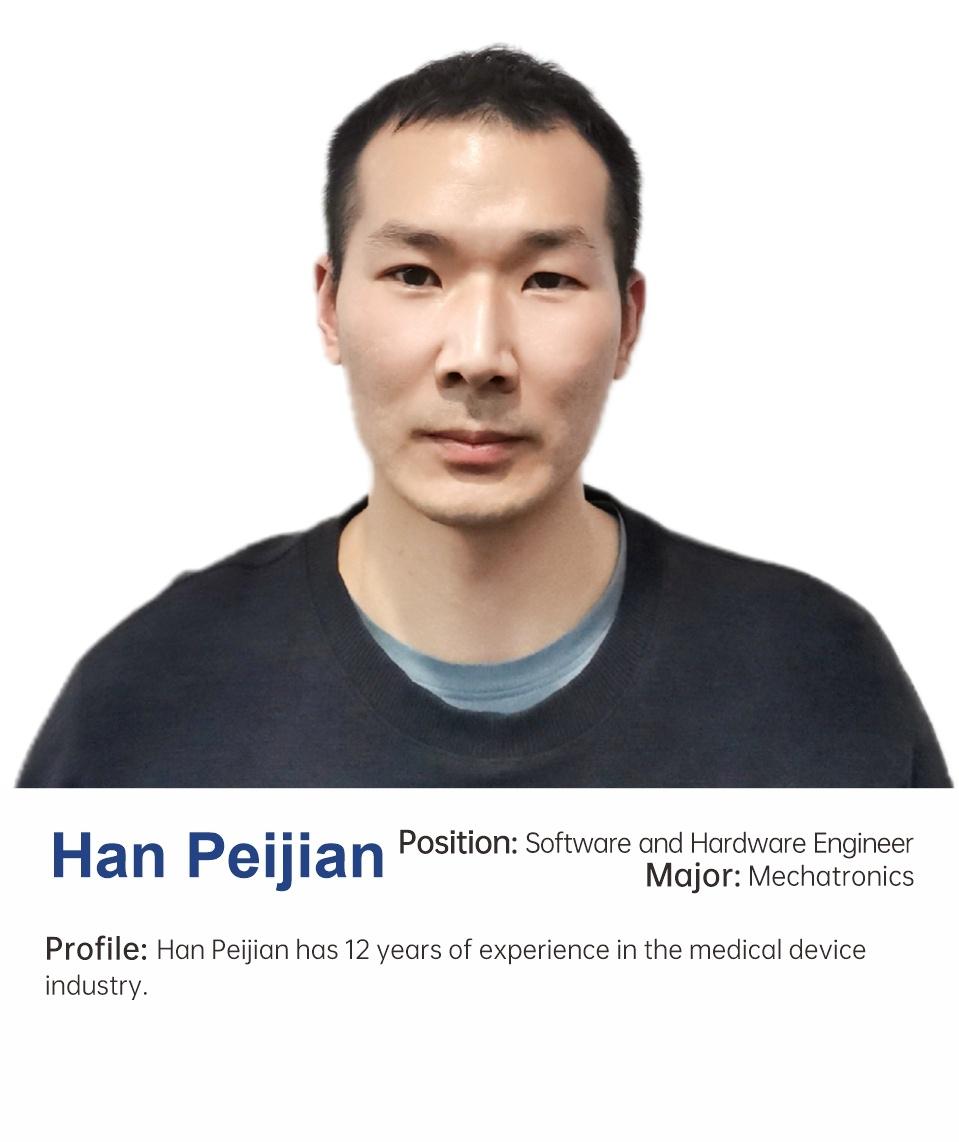
For more about companies taking this thoughtful approach, I recommend exploring designs and company philosophy at Magique Power. I believe — and I say this from experience — that better engineering married to humane design will change how people feel after every session.